National Museum of Colombo Unveils Exhibition Showcasing Ancient Artifacts

National Museum of Colombo Unveils Exhibition Showcasing Ancient Artifacts

The National Museum of Colombo has unveiled a captivating exhibition of ancient artifacts. It showcases Sri Lanka’s rich cultural heritage through historical relics. Visitors can explore fascinating pieces from various ancient civilizations.

The Colombo National Museum, established in 1877, is a premier destination for archeological discoveries. Its diverse collection spans archaeology, anthropology, art, and ethnography. Visitors can see ancient manuscripts, regal statues, traditional masks, and historical weapons.

National Museum of Colombo Unveils Exhibition Showcasing Ancient Artifacts

The museum is open from Tuesday to Sunday. Entry fees are Rs. 500 for foreigners and Rs. 25 for local adults. Guided tours are available to enhance the visitor experience.

Photography is allowed in most areas, with some restrictions. The exhibition offers a unique journey through Sri Lanka’s vibrant history. Visitors can explore artifacts from prehistoric times to ancient civilizations.

The National Museum of Colombo is a must-visit for history and archaeology enthusiasts. It attracts visitors worldwide with its impressive collection and engaging exhibitions. The museum remains a cornerstone of Colombo tourism, showcasing Sri Lanka’s cultural tapestry.

Discover the Rich Cultural Heritage of Sri Lanka at the Colombo National Museum

Step into Sri Lanka’s vibrant past at the Colombo National Museum. Established in 1877, it’s the country’s largest and most-visited museum. It houses a wealth of artifacts showcasing the island’s fascinating history.

The museum’s collections span from ancient times to the colonial era. In the Gallery of Ancient Kings, you’ll find royal regalia and artifacts. These exhibits offer insights into Sri Lanka’s cultural tapestry and identity-shaping traditions.

Immerse Yourself in Sri Lanka’s Fascinating History

The museum provides a comprehensive educational experience about Sri Lanka’s captivating past. Exhibits range from ancient tools to rare manuscripts and colonial-era artifacts. These treasures offer a glimpse into the lives of past generations.

The museum focuses on antiquities preservation to safeguard these valuable items. This ensures future generations can appreciate and learn from Sri Lanka’s rich heritage.

Explore Diverse Collections from Ancient Civilizations to Colonial Era

Admire intricate sculptures, exquisite art, and delicate ceramics reflecting Sri Lanka’s artistic heritage. The museum houses an impressive collection of historical documents. These offer insights into the political and social dynamics of different eras.

From the ancient Anuradhapura kingdom to the Dutch colonial period, the exhibits are diverse. They paint a vivid picture of Sri Lanka’s multifaceted past through cultural exploration.

Gain Insights into the Vibrant Culture and Traditions of Sri Lanka

Visiting the Colombo National Museum is both educational and culturally immersive. The artifacts display showcases vibrant traditions that have shaped Sri Lankan society. Colorful traditional costumes and intricate masks used in ancient rituals are on display.

These exhibits offer a fascinating glimpse into Sri Lanka’s rich cultural tapestry. Visitors can gain a deeper appreciation for the diverse influences shaping Sri Lanka’s unique identity.

National Museum of Colombo Unveils Exhibition Showcasing Ancient Artifacts

The Colombo National Museum has launched an exciting exhibition. It highlights Sri Lanka’s cultural heritage and ancient civilizations. Visitors can explore diverse galleries, each offering a unique view of the country’s history.

Archaeological Gallery: A Journey Through Prehistoric Artifacts and Ancient Civilizations

The Archaeological Gallery houses a wealth of prehistoric artifacts. These items reveal ancient Sri Lankan civilizations. Stone tools, pottery, and intricate jewelry showcase the skills of early inhabitants.

The gallery’s collection spans thousands of years. Visitors can admire the craftsmanship of these ancient pieces. This experience deepens appreciation for Sri Lanka’s archaeological heritage.

Ethnographic Gallery: Celebrating the Diverse Ethnic Groups of Sri Lanka

The Ethnographic Gallery highlights Sri Lanka’s ethnic diversity. It displays artifacts, traditional attire, and multimedia exhibits. These items showcase the customs and lifestyles of various ethnic groups.

Visitors can explore cultures of Sinhalese, Tamils, Moors, and Burghers. The gallery offers insight into Sri Lanka’s cultural mosaic. It shows how different groups have shaped the country’s identity.

Art Gallery: Masterpieces by Renowned Sri Lankan Artists

The Art Gallery showcases Sri Lankan artistic talent through history. It houses paintings, sculptures, and other artworks. These pieces illustrate the evolution of Sri Lankan art over time.

Visitors can admire intricate details in masterpieces by famous artists. The gallery highlights Sri Lanka’s rich artistic heritage. It also shows art’s role in preserving culture.

Ranil Wickremesinghe Sworn in as Sri Lanka’s New President

Ranil Wickremesinghe Sworn in as Sri Lanka’s New President

Ranil Wickremesinghe was sworn in as Sri Lanka’s new President, stepping into leadership during an economic crisis. At 73, he becomes the eighth president, tasked with bringing stability and economic recovery. His role is crucial for the nation’s future.

Ranil Wickremesinghe Sworn in as Sri Lanka's New President

His swearing-in took place in the parliamentary complex, marking the start of his presidency until November 2024. Wickremesinghe, with over 40 years of experience and six terms as Prime Minister, was voted president by parliament. This marks a significant step for Sri Lanka’s path to reform.

The Inauguration wasn’t just a ceremony. It was a promise to fix a nation struggling with inflation and shortages. Wickremesinghe faces the challenge of avoiding bankruptcy. A bailout from the International Monetary Fund is a top priority.

Wickremesinghe has held many important positions, including Minister of Finance and Minister of Defense. He has played a key role in creating major policies. However, his election has seen controversy due to his ties with the previous regime, leading to public skepticism.

Sri Lanka’s diverse population looks to him for transformative leadership. The Political News surrounding the President impacts all and carries hopes for prosperity and democracy.

The Inauguration of Ranil Wickremesinghe Amidst National Crisis

In a solemn ceremony held within the Parliament of Sri Lanka, Ranil Wickremesinghe was sworn in as Sri Lanka’s new President. This marked a crucial moment in the nation’s rough political journey. The event was attended by past presidents and watched by the Chief Justice. It unfolded against a deep economic crisis. This day was not just about changing leaders. It also brought hope for solving the nation’s problems.

Gotabaya Rajapaksa resigned after much public demand and political pressure. This was because of how the country’s money was handled. Wickremesinghe, with years of political and diplomatic work, took over as president. Even though he lost an election in 2020, his becoming president is seen as key to the nation’s stability.

Ranil Wickremesinghe’s commitment to constitutional reforms and strengthening the legislature shows his dedication. He aims to improve Sri Lanka’s governance and regain public trust.

The former prime minister, now president, has dissolved the old cabinet. This makes way for new appointments. A new approach towards Sri Lanka’s economic recovery is underway. His main goals include making the parliament stronger and taking legal steps against those causing trouble. He promised to restore law and order.

Initiatives Impact
Constitutional Reforms Reduce presidential powers, enhance Parliament’s role
Legal Measures Address insurgency, stabilize national security
Economic Strategies Engage with IMF and creditors for financial support
Public Trust Restore confidence through transparent governance

Ranil Wickremesinghe started talks with global financial bodies. He is seeking help from the International Monetary Fund to deal with the country’s money problems. This step is vital as Sri Lanka looks for a way out of its economic hardships. This includes the rising levels of poverty.

Inauguration of Ranil Wickremesinghe

He is also focusing on education. Plans for bettering the education system and taking care of students set a good path for growth. These plans include digitalizing schools and fall under the new educational initiatives by the government.

In conclusion, the inauguration of Ranil Wickremesinghe gives Sri Lanka hope during tough economic times. His leadership has caught the attention of the world. Everyone is looking forward to the changes he will bring to the country.

Ranil Wickremesinghe’s Political Journey and Future Outlook

Ranil Wickremesinghe becoming President of Sri Lanka marks a significant moment. Born on March 24, 1949, he first entered parliament in 1977. His journey is filled with dedication to his country’s politics. Despite challenges, such as his party losing all seats in 2020, his political and diplomatic skills helped him rise.

Public Sentiment and Political Backdrop

Opinions on President Wickremesinghe’s election are mixed. Some people are waiting to see his actions before protesting. Others are upset, blaming the past government’s problems on him. Yet, Wickremesinghe promises an inclusive government. This might lead to healing and change, moving away from previous issues.

Addressing Economic Turmoil and International Aid

Sri Lanka is facing a big economic crisis, with a $51 billion debt. Wickremesinghe’s first goal is improving the economy. His team is working on getting a $3 billion bailout package from the IMF. This is important for fixing the country’s financial and resource problems.

As prime minister from 2015 to 2019, Wickremesinghe achieved a financial win no one had in sixty years. He showed he can handle tough economic challenges.

The Legacy of the Rajapaksa Administration

The Rajapaksa family’s rule ended with many people upset about the country’s problems. Wickremesinghe, who once worked with the SLPP, now needs to fix these issues. His leadership is key to helping Sri Lanka recover and earn back people’s trust.

Here are some events and sage advice during the current presidency:

Date Event Policy Impact
2022 Presidential Election Signifies a new administrative direction away from the Rajapaksa regime.
2023 Negotiations with IMF Crucial for securing financial aid and addressing economic recovery.

Wickremesinghe plays a key role in highlighting Sri Lanka’s cultural heritage. He promotes Sinhala, Tamil, and English theater. This improves cultural diplomacy.

Wickremesinghe is tackling big issues as president. Both Sri Lankans and people worldwide are watching. They hope he can guide the country to a stable and successful future.

Prospects and Challenges for the New Leadership in Sri Lanka

Sri Lanka is starting fresh with Anura Kumara Dissanayake as president. This brings hope but also uncertainty. Dissanayake’s role hints at big changes in politics, focusing on reform and being accountable. The previous president, Ranil Wickremesinghe, tackled a severe economic crisis needing a $2.9 billion IMF bailout, which caused financial turbulence.

The new leadership, with unprecedented support for the JVP, must form a capable government. This government must handle the economic recovery and complex politics. Dissanayake’s win marks a shift from the past, focusing on issues like the economy, corruption, and good governance. Still, many voted for different visions of the future. The job ahead is big, requiring unity and alliances across different groups.

For Dissanayake, keeping the economy stable is key. Sri Lanka’s finances are fragile, hurt by the pandemic and old debts. He faces the challenge of gaining investor trust and managing foreign relations, balancing between India and China. With plans for new elections to back his reforms, Dissanayake’s ability to unite the country will decide his success.

Annual Literary Festivals Celebrate Sri Lankan Writing and Poetry

Annual Literary Festivals Celebrate Sri Lankan Writing and Poetry

Sri Lanka’s literary scene thrives through yearly festivals celebrating the nation’s rich writing traditions. These Annual Literary Festivals Celebrate Sri Lankan Writing and Poetry showcase local talent in Sinhala, Tamil, and English literature. The festivals provide a platform for established and emerging writers to share their works.
The Fairway Galle Literary Festival stands out, held annually in the historic Dutch Galle Fort. Its 2018 edition featured over 110 events, including film appreciation, poetry readings, and gourmet dinners. The festival also recognized outstanding local talent through the Fairway National Literary Awards.

Attendees can engage with renowned international authors at these events. Lord David Puttnam, a British film producer with numerous accolades, has participated. Alexander McCall Smith, author of over 100 books, and Richard Flanagan, a Man Booker Prize winner, have also attended.

These festivals promote and preserve Sri Lanka’s literary heritage. They encourage the growth of Sinhala, Tamil, and English literature. The events nurture emerging writers and poets, celebrating the power of storytelling.

events foster appreciation for the art of language. They provide diverse programs catering to various interests. Multiple concurrent sessions and book launches take place throughout these literary gatherings.

Galle Literary Festival: A Premiere International Event

Since 2007, the Galle Literary Festival has become South Asia’s most anticipated literary event. It unites acclaimed authors in an intimate setting. The festival fosters engaging discussions, writing workshops, and cultural experiences.

The festival offers diverse activities for book lovers. These include panel discussions, poetry readings, and literary lunches. It takes place in Galle Fort, a UNESCO World Heritage Site.

Showcasing Sri Lankan and International Authors

The festival has featured over 70 events and hosted numerous writers. More than 40 international and 50 Sri Lankan authors have participated. This lineup showcases both local and global literary talent.

Diverse Program of Literary Events and Cultural Experiences

Attendees can enjoy a wide array of literary and cultural activities. These include thought-provoking panel discussions and intimate writing workshops. Enchanting poetry readings and delightful literary lunches are also part of the program.

Set in the Historic Galle Fort, a UNESCO World Heritage Site

The festival’s location in Galle Fort adds to its charm. The fort’s colonial architecture provides a magical backdrop. This setting creates an inspiring and unforgettable atmosphere.

Harper’s Bazaar Magazine UK named it the “No.1 Literary Festival in the world” in 2011. After a three-year break, it returned spectacularly in 2016. This comeback reaffirmed its status as a premier literary event.

Other Notable Literary Festivals in Sri Lanka

Sri Lanka boasts a vibrant literary scene beyond the Galle Literary Festival. Several events showcase the island’s rich literary heritage. These festivals celebrate Sinhala, Tamil, and English literature, giving writers platforms to share their works.

The Jaffna Poetry Festival highlights Tamil poets’ resilience and creativity. It unites poets from Sri Lanka and the diaspora, promoting cultural exchange. Attendees enjoy poetry readings, workshops, and discussions on Tamil literature.

Colombo International Book Fair

The Colombo International Book Fair is a key event in Sri Lanka’s literary calendar. It draws publishers, authors, and book lovers from across the country. Visitors can explore books, attend launches, and join literary discussions.

The fair promotes reading culture and supports the local publishing industry. It serves as a platform for literary enthusiasts to connect and share ideas.

Smaller literary events occur throughout the year. The Kandy Writers’ Collective unites writers from central Sri Lanka. The Kilinochchi Book Fair and Batticaloa Writers’ Forum celebrate literature in northern and eastern provinces.

These events offer writers chances to network, collaborate, and share their works. They provide platforms for both established and emerging authors to connect with readers.

Sri Lanka’s literary festivals showcase talent and boost the economy. The Galle Literary Festival drew thousands to the south coast in 2024. It provided a significant economic boost for Galle and Sri Lanka.

The Colombo Stock Exchange (CSE) reported positive economic indicators. Sri Lanka’s stock market became Asia’s second-best performing equity market as of October 25, 2024. It showed a 29.65% year-to-date return in USD terms.

Annasi and Kadalagotu Literary Festival

The Annasi and Kadalagotu Literary Festival celebrates both Sinhala and Tamil literature. It aims to foster cultural exchange between the two communities. The event highlights Sri Lanka’s shared literary heritage.

Attendees can enjoy poetry readings, book launches, and panel discussions. Authors from both languages participate, promoting understanding and appreciation of diverse literary traditions.

Literary Festivals Celebrate Sri Lankan Writing and Poetry

Sri Lanka’s literary festivals showcase the nation’s rich heritage. They celebrate established and emerging writers in Sinhala, Tamil, and English. These events promote new voices and preserve Sri Lanka’s cultural legacy.

The Galle Literary Festival, started in 2005, is a top international event. It attracts renowned authors and intellectuals worldwide. The festival offers author talks, panel discussions, book launches, and workshops.

In 2024, the 11th edition will feature international authors. It will explore themes in fiction, non-fiction, and poetry. The event engages readers of all ages and interests.

Other notable festivals include the Jaffna Literary Festival and Colombo International Book Fair. These events showcase emerging writers through poetry slams and competitions. They help grow and preserve Sri Lankan literature.

Preserving Sri Lanka’s Cultural Legacy

These festivals celebrate writing and preserve Sri Lanka’s cultural heritage. They promote works in Sinhala, Tamil, and English. This highlights the diversity of Sri Lankan literature.

The events foster cultural exchange and community engagement. They nurture a love for the arts. This ensures Sri Lanka’s literary traditions thrive for future generations.

Conclusion

Sri Lanka’s annual literary festivals are vital to its literary community. They celebrate writing and poetry in Sinhala, Tamil, and English. These events showcase authors’ works and foster intellectual exchange.

The Galle Literary Festival and others draw global participants. Writers, poets, and literary fans come together at these events. They offer diverse programs like book readings, panel discussions, and workshops.

These festivals preserve and promote Sri Lanka’s literary heritage. They encourage new talent and inspire love for literature in younger generations. The events bring authors and readers together, celebrating the power of words.

Literary festivals strengthen Sri Lanka’s position in South Asian literature. They showcase the country’s rich cultural traditions and artistic expression. These events continue to grow in popularity and scope.

FAO Introduces Good Agricultural Practices in Sri Lanka

FAO Introduces Good Agricultural Practices in Sri Lanka

The UN’s Food and Agriculture Organization (FAO) has brought Good Agricultural Practices to Sri Lankan farmers. Over 600 smallholder vegetable farmers in Badulla, Monaragala, and Mullaitivu districts are benefiting. This initiative aims to boost farms, increase agricultural productivity, and enhance farmer livelihoods through sustainable methods.

FAO’s program equips farmers with essential tools and knowledge. It promotes climate-resilient approaches and GAP certification. The results are impressive: 71% of farmers report better crop quality and less pesticide use.

Farmers’ incomes have also improved significantly. 72% saw an increase in total income. 24 farmers made over Rs. 1,000,000 in one season from just 0.25 acres.

More than 150 farmers exceeded Rs. 500,000 in income. This shows the economic impact of Good Agricultural Practices. Chemical fertilizer use decreased by 48% per 0.25 acres, highlighting environmental benefits.

FAO’s work aligns with Sri Lanka’s priorities and UN development goals. Their efforts to empower smallholder farmers through modern practices are promising. This initiative could have a lasting impact on Sri Lanka’s agriculture and farming communities.

FAO’s Initiative Modernizes Farms and Empowers Smallholder Farmers

The FAO has launched a groundbreaking initiative in Sri Lanka to modernize farms. It empowers smallholder farmers through climate-smart agriculture practices. The program provides essential agriculture kits, training, and financial support for sustainable farming.

Providing Essential Agriculture Kits and Training

Over 600 smallholder vegetable farmers in Badulla, Monaragala, and Mullaitivu received tailor-made agriculture kits. These kits include drip irrigation systems, plastic mulch, insect-proof nets, and GI pipes. They enable farmers to implement modern, water-efficient, and pest-resistant farming techniques.

The FAO conducts comprehensive farmer training programs to ensure effective resource utilization. Farmers learn to optimize crop yields and reduce reliance on harmful pesticides. They also gain skills in adopting environmentally friendly practices through hands-on workshops and demonstrations.

Facilitating Capacity Building through Farmer Field Schools

The FAO has established Farmer Field Schools across the targeted districts. These interactive platforms foster peer-to-peer knowledge sharing. They empower farmers to achieve Good Agricultural Practices (GAP) certification.

Farmers gain exposure to innovative techniques like integrated pest management. They also learn efficient irrigation methods, boosting productivity and crop quality.

Offering Cash Assistance to Support Transition

The FAO and World Food Programme provide cash assistance to farmers. This support helps meet their immediate food and nutrition needs. It ensures farmers can focus on implementing sustainable farming practices without compromising their livelihoods.

The initiative’s impact has been remarkable, with 71% of farmers reporting improved crop quality. There’s also been a significant reduction in pesticide and agrochemical usage. Additionally, 72% of farmers have experienced an increase in total income.

Twenty-four farmers made profits exceeding Rs. 1,000,000/- in a single cultivation season. Moreover, 150 farmers surpassed the Rs. 500,000/- mark.

Tangible Outcomes: Improved Crop Quality, Increased Incomes, and Environmental Benefits

The FAO’s Good Agricultural Practices initiative in Sri Lanka has produced remarkable results. Farmers report better crop quality, less pesticide use, and higher profits. The project’s sustainable farming methods have reduced agro-chemical use and improved crop resilience.

Significant Reduction in Pesticide and Agro-chemical Usage

The initiative has greatly reduced pesticide and agro-chemical use among farmers. Over 71% of farmers now use fewer harmful substances, leading to healthier crops. Chemical fertilizer use per 0.25 acres has dropped by 48%, aiding environmental conservation.

Enhanced Crop Resilience and Pest Management with Insect-Proof Nets

Insect-proof nets have revolutionized farming in Sri Lanka. These nets protect crops from pests and diseases, reducing damage and boosting resilience. They also minimize harm from wild animals, maintaining consistent crop quality throughout the season.

Remarkable Increase in Farmer Incomes and Profitability

Good Agricultural Practices have significantly boosted farmer incomes and profits. An impressive 72% of farmers reported higher total income. Over 24 farmers made profits exceeding Rs. 1,000,000 in one cultivation season.

More than 150 farmers surpassed Rs. 500,000 in profits. This shows the potential for financial growth when farmers adopt sustainable practices.

FAO Introduces Good Agricultural Practices to Boost Farmer Incomes

FAO Sri Lanka is committed to modernizing agriculture and improving farmers’ lives. They’ve introduced Good Agricultural Practices (GAP) to smallholder farmers. This has led to better crop quality, higher incomes, and environmental benefits.

GAP adoption has brought remarkable results for farmers. Over 71% saw better crop quality and used fewer pesticides. 72% of farmers increased their total income.

More than 24 farmers made profits over Rs. 1,000,000. Over 150 farmers earned above Rs. 500,000 in one season. Chemical fertilizer use dropped by 48% per 0.25 acres.

An awards ceremony in Thanamalvila celebrated these achievements. It recognized farmers’ accomplishments across three districts. The event highlighted GAP certification’s role in boosting market demand.

Attendees included Australian Deputy Head of Mission, Ms. Lalita Kapur. Provincial Secretary of Agriculture, Mr. Upali Jayasekara, also joined. FAO Assistant Representative, Mr. Nalin Munasinghe, was present too.

Sri Lanka’s External Debt Reaches USD 37.5 Billion

Sri Lanka’s External Debt Reaches USD 37.5 Billion

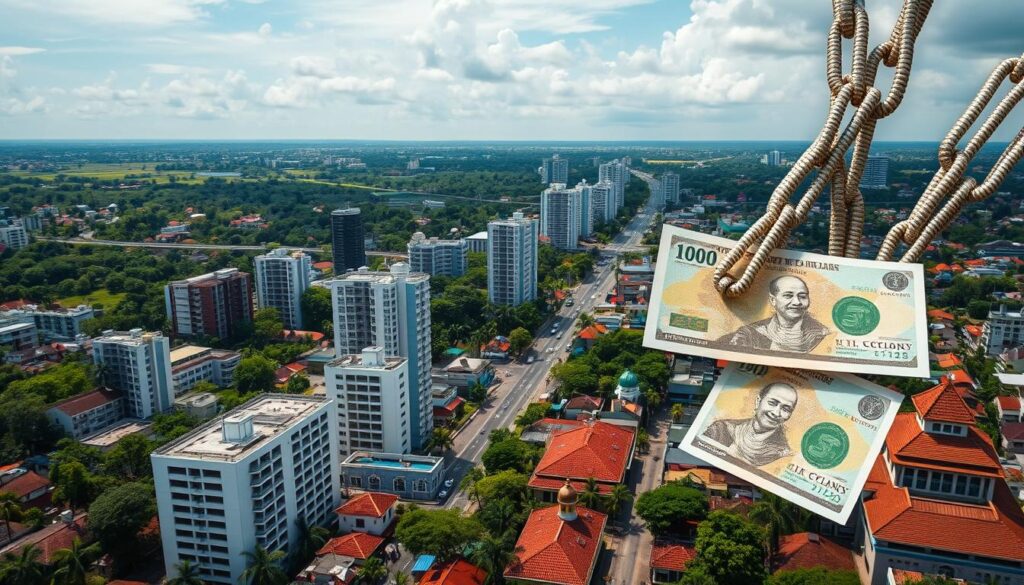
Sri Lanka’s external debt hit USD 37.5 billion in June 2024. The Ministry of Finance’s Mid-Year Fiscal Position Report revealed this alarming figure. The country struggles with economic challenges while working on recovery and reforms.

Sri Lanka's External Debt Reaches USD 37.5 Billion as of June 2024

The report shows Sri Lanka’s dire economic state. It highlights the urgent need for fiscal consolidation and debt management. The government faces tough challenges with low foreign currency reserves and looming debt payments.

The report breaks down Sri Lanka’s external debt in detail. From January to August 2021, foreign financing commitments reached USD 37.5 billion. This huge debt burden poses significant obstacles to long-term economic growth and development.

Debt Crisis and Economic Turmoil

Sri Lanka faces a severe debt crisis, with external debt reaching USD 37.5 billion. Foreign currency reserves are depleted, and the country has defaulted. This has left Sri Lanka in a precarious financial position.

The debt crisis is part of a larger trend in the Asia-Pacific region. Government debt among Asian Development Bank members has increased significantly. South Asian countries have been hit the hardest.

Sovereign Default and Foreign Currency Reserves

Sri Lanka is struggling to meet its financial obligations. The country’s external debt service at risk is $598 billion from 2021-2025. Private creditors hold 52% of the debt at risk, totaling $311 billion.

Fiscal Consolidation and Austerity Measures

The Sri Lankan government is implementing fiscal consolidation and austerity measures. These aim to reduce spending, increase revenue, and improve the country’s fiscal position. However, these measures have led to increased hardships for the population.

The global environment poses challenges to Sri Lanka’s efforts to restore public finances. With obstacles to growth and rising borrowing costs, economic recovery remains difficult. The country faces an uphill battle in its quest for stability.

Sri Lanka’s External Debt Reaches USD 37.5 Billion as of June 2024

Sri Lanka’s external debt hit USD 37.5 billion in June 2024. The Mid-Year Fiscal Position Report revealed this alarming figure. It highlights the nation’s economic challenges and the need for better debt management.

Mid-Year Fiscal Position Report Findings

The report analyzes Sri Lanka’s fiscal health in detail. It focuses on the country’s external debt obligations. The report also examines the debt’s impact on the economy.

Debt Servicing Payments: Principal and Interest Breakdown

Debt servicing payments totaled USD 503 million from January to June. This includes USD 275.1 million in principal repayments. Interest payments accounted for USD 227.9 million.

These figures show the heavy burden of debt servicing. It strains the nation’s financial resources significantly. The government must address this issue promptly.

Rising external debt threatens Sri Lanka’s economic stability and growth. Effective debt management strategies are crucial. These include debt restructuring, fiscal consolidation, and attracting foreign investment.

Interim Debt Standstill Policy

Sri Lanka introduced an interim debt standstill policy on April 12, 2022. This move aimed to tackle the growing external debt crisis. The policy temporarily halted repayments to bilateral and commercial creditors.

By June 2024, Sri Lanka’s external debt hit USD 37.5 billion. The repayment pause led to USD 5.67 billion in unpaid principal. Unpaid interest totaled USD 2.527 billion.

Temporary Suspension of Repayments to Bilateral and Commercial Creditors

The policy affects loans from foreign governments and commercial lenders. It covers banks and bondholders too. This pause aims to give Sri Lanka time to stabilize its economy.

The country now has a chance to negotiate a comprehensive debt restructuring plan. This breathing space is crucial for finding long-term solutions.

Accumulation of Unpaid Principal and Interest

The policy has provided temporary relief but also caused a buildup of unpaid amounts. In early 2024, debt service payments reached USD 503 million. This included USD 275.1 million in principal and USD 227.9 million in interest.

These growing arrears highlight the urgent need for a lasting solution. Sri Lanka must address its debt crisis quickly to avoid further economic strain.

Debt Restructuring and International Monetary Fund (IMF) Involvement

Sri Lanka faces a mounting debt crisis. The government is negotiating debt restructuring and seeking IMF assistance. On March 20, 2023, the IMF approved a 48-month Extended Fund Facility (EFF) arrangement.

The EFF totals SDR 2.286 billion (about $3.0 billion). It aims to support Sri Lanka’s efforts to stabilize its economy. The IMF’s involvement provides financial support and guidance for necessary reforms.

The immediate disbursement was SDR 254 million (around $333 million). A policy-based loan for the Economic Stabilization Program offers additional budget support. This support depends on Sri Lanka completing prior actions under the IMF EFF.

Sri Lanka’s debt crisis results from recurring fiscal and current account deficits. These led to unsustainable public debt levels. Policy missteps and external shocks worsened the country’s economic vulnerabilities.

A 2019 change in government administration further weakened public finances. Significant tax cuts were implemented. Reform measures were suspended. These actions deepened the crisis.

Comprehensive debt restructuring is vital for Sri Lanka’s recovery. The global community must increase debt relief efforts. This action can prevent a worsening development crisis in Sri Lanka and other struggling economies.

A new international debt restructuring initiative is proposed. It involves comprehensive restructuring and write-offs. This approach could help countries return to growth and financial markets faster.