Sri Lanka Now UK’s Second Largest Partner in TNE
Sri Lanka Now UK’s Second Largest Partner in TNE

Sri Lanka Now UK's Second Largest Partner in Transnational Education

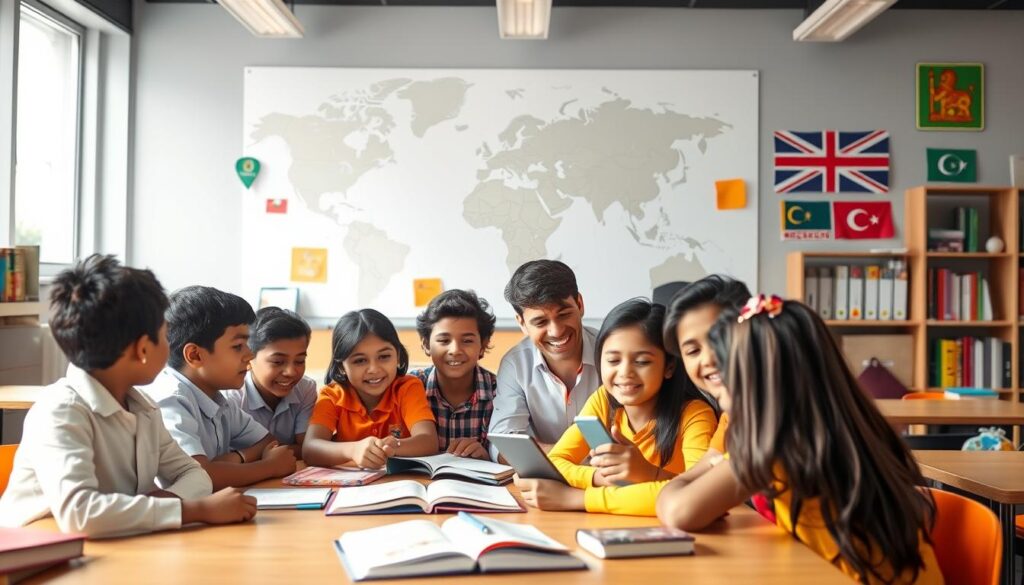
In a big step forward, Sri Lanka has passed Malaysia to be the UK’s second-biggest partner in Transnational Education (TNE). Now, it makes up 10% of the UK’s TNE enrollments. This shows a strong education bond between both countries. It also highlights the need for top-notch tertiary education that meets global standards.

Numbers show the growth: From 2020 to 2023, Sri Lankan students in UK TNE programs surged by 50%, reaching nearly 54,000. This growth happened with little help from the UK government. It shows the real value and demand for these educational chances in Sri Lanka. For many students who can’t get into local public universities, TNE is a vital option.

The rise in enrollments is boosting the quality of Sri Lanka’s higher education. TNE ties are crucial for giving students skills and qualifications that match industry needs. Graduates are ready for jobs, not just in Sri Lanka but abroad as well, especially in booming markets like India. This is what the British High Commissioner suggests. As TNE shapes Sri Lanka’s education scene, it plays a bigger role in global education. It also helps prepare the workforce for important sectors.

The Rise of Sri Lanka in Transnational Education

Recent numbers show how Sri Lanka is becoming a big name in transnational education (TNE). It’s creating strong ties with UK universities. In fact, student enrollment in these programs has gone up by 50%. This makes Sri Lanka the UK’s second biggest partner in this area.

The growth isn’t just about numbers. It’s also about the quality and range of programs. These programs come from academic partnerships across borders.

Sri Lanka has climbed in the TNE rankings, now ahead of Malaysia. This is a key milestone in its global partnership efforts. The country has strong agreements and projects. These support higher education and studying abroad. They do this through partnerships with UK institutions.

Sri Lanka Surpasses Malaysia in TNE Partnership Rankings

More students in Sri Lanka are enrolling in UK-based TNE programs. From 2020 to 2023, enrollments jumped from 35,943 to 53,915. This jump doesn’t just show growth in TNE. It shows a wider academic exchange between Sri Lanka and the UK.

Statistics Indicating Sri Lanka’s Organic TNE Growth

The numbers prove Sri Lanka’s growing pull towards UK universities. There are 44 UK institutions with TNE deals in Sri Lanka now. The local drive behind these educational ventures is impressive. It reflects the Sri Lankan market’s value, estimated at $1.1 billion.

Local institutions are addressing the overflow from state universities. In 2022, 171,532 qualified but only 44,000 spots were available. They’re also meeting the demand for quality international education.

These facts show how committed Sri Lanka is to improving education through TNE. It aims to be a top international education hub. Ongoing discussions at educational forums support this goal. This marks an exciting time in Sri Lanka’s education story.

Impact on Local Higher Education and Workforce

Sri Lanka is changing its education scene by working with Transnational Education (TNE). They are using UK standards and innovative teaching methods to fill curriculum gaps and boost education quality.

Filling the Higher Education Gap for Sri Lankan Students

TNE is key in teaching skills development by giving access to tertiary education. It’s great for students who couldn’t reach traditional higher education before. It also meets the needs of the local job market. A new TNE academy could improve this education route and aim for lasting growth.

Contributing to the Skilled Professional Pool

TNE helps add to Sri Lanka’s skilled professionals by improving job chances and global work opportunities. Fields like healthcare, engineering, and law now have professionals trained in the UK. They’re ready to help with the country’s economic and social growth.

Improving education quality and skills development through TNE helps bridge the gap between school and work. It brings new teaching methods to local schools, making them more relevant to today’s youth.

TNE’s benefits and models, like distance learning, are tailored for Sri Lanka. This makes them more effective. Sri Lanka is now creating a new and better way of higher education. It’s inclusive, high-quality, and meets both local and global job market needs.

As it reforms its education, Sri Lanka shows its commitment to better education and global standing. Its work with UK partners will change its education for the better. A strong economy and educational progress are linked, highlighting the need for ongoing investment in tertiary education.

Future Prospects and Strategic Focus

Sri Lanka is focusing on International Education due to exciting educational reforms and its important location. The country is experiencing a rapid increase in UK Transnational Education (TNE) participation. In 2022, enrollments jumped by 50%, reaching nearly 54,000.

This positions Sri Lanka as an emerging hub for quality education and Career Opportunities in Asia. High Commissioner Andrew Patrick advises Sri Lankan graduates to look towards India. It’s a region with fast-growing job opportunities.

Now, Sri Lanka is the second-biggest participant in UK TNE, making up 10% of all UK TNE enrollments worldwide. Building strategic partnerships is essential to leverage this growth. Public-private partnerships and innovative education platforms are being discussed. These efforts aim to enhance Sri Lanka’s educational landscape.

Plans to expand UK TNE beyond Colombo are important. They will help make education more accessible across the country. This way, students from different areas can benefit.

TNE programs and all higher education in Sri Lanka might get a unified quality assurance system. The private education sector, worth $1.1 billion, could see expansion. A public TNE activities repository is also recommended. These steps will improve transparency and decision-making in education.

Such reforms promise to transform higher education in Sri Lanka. In 2022, out of 171,532 qualified students, only 44,000 enrolled in state universities. With Sri Lanka’s strategic focus, the nation is setting itself as a key player in Asia’s International Education.

FAQ

What milestone has Sri Lanka recently achieved in relation to transnational education?

Sri Lanka is now the UK’s second-largest partner in transnational education (TNE). It accounts for 10% of the UK’s total TNE enrollments.

How significant is the growth of TNE enrollment in Sri Lanka?

The number of students choosing TNE in Sri Lanka has jumped by 50% in just two years. This leap, from 35,943 to 53,915 between 2020-2021 and 2022-2023, is a big deal.

What role does TNE play in Sri Lanka’s higher education system?

TNE is key in improving Sri Lanka’s higher education. It makes education more accessible, fixes skill mismatches, and boosts educational quality.

Why is TNE considered a pivotal educational path in Sri Lanka?

TNE is crucial because it offers an opportunity for many. With only a quarter of students getting into public universities, TNE connects them to UK institutions. This gives them recognized qualifications and helps fill the education gap.

What impact does Sri Lanka’s partnership with UK institutions through TNE have on the local workforce?

This partnership is boosting Sri Lanka’s skilled workforce big time. It helps cover curriculum gaps and uses new teaching methods. These strategies get students ready for their careers.

How does the University of London exemplify the impact of TNE in Sri Lanka?

The University of London shows the power of TNE. It’s training future leaders. For example, many judges in Pakistan, Sri Lanka, and Malaysia have degrees from there.

What advice does the British High Commissioner to Sri Lanka, Andrew Patrick, give to Sri Lankan graduates?

Andrew Patrick encourages graduates to look at career opportunities in Asia, especially India. He points to the region’s growing economic importance.

What are the future prospects for TNE in Sri Lanka?

TNE in Sri Lanka is expected to keep growing. This growth will support the country’s education sector. It lays a strong base for continuous development in education and careers.

Sri Lanka Government Launches Domestic Debt Restructuring Plan

Sri Lanka Government Launches Domestic Debt Restructuring Plan

Sri Lanka has unveiled a domestic debt restructuring plan to tackle its economic crisis. The strategy aims to meet IMF bailout conditions and restore stability. The goal is to reduce overall debt to 95% of GDP by 2032.

Government Launches Domestic Debt Restructuring Plan

Sri Lanka is implementing major economic reforms as part of the IMF program. The plan includes a 30% haircut for local dollar-denominated bonds. These bonds will have a six-year maturity at 4% interest.

Bilateral dollar creditors have a different option. They can choose no principal haircut with a 15-year maturity. This option includes a nine-year grace period at 1.5% interest.

The restructuring also covers local currency bonds held by superannuation funds. These will be swapped for longer maturity bonds with 9% interest. CBSL-held Treasury bills will become bonds maturing between 2029-2038.

Sri Lanka’s economy faces severe challenges. The country’s GDP shrank by 7.8% in 2022 and 11.5% in Q1 2023. Real wages fell by 30-50% in 2022. Nearly 43% of children under five suffer from malnutrition.

The government aims to finalize debt restructuring talks by September. This aligns with the first review of its IMF program. The goal is to address pressing issues and pave the way for economic recovery.

Overview of Sri Lanka’s Domestic Debt Restructuring Plan

Sri Lanka’s Central Bank has unveiled a new debt restructuring strategy. This plan aims to restore economic stability and meet IMF bailout conditions. It’s a vital step towards debt sustainability and improved fiscal policy.

Sri Lanka debt restructuring plan

The plan covers part of Sri Lanka’s $42bn domestic debt. It’s crucial for reaching the IMF’s target of reducing overall debt to 95% of GDP by 2032. Local currency bonds will be exchanged for longer-term bonds with 9% interest.

Impact on Retirement Funds

Sri Lanka’s retirement funds, worth Rs 4,354 billion, are greatly affected by this plan. The real value of these funds dropped by over 40% in 2022. This was due to currency depreciation and price increases.

Retirement Fund Total Asset Value (Rs billion) Accounts (millions)
Employees’ Provident Fund (EPF) 3,919 19.2
Other Retirement Funds 435
Total 4,354

The debt restructuring could cause retirement funds to lose 29% of their value over 10 years. By 2038, they might lose 47% of their value. These funds’ value is expected to drop from 17.7% to 9.4% of GDP.

Importance for External Debt Renegotiations

The success of this plan is vital for Sri Lanka’s $36bn external debt talks. This includes $24bn held by bondholders and creditors like China, Japan, and India. By showing commitment to reforms, Sri Lanka can improve its chances for favorable external debt terms.

Government Launches Domestic Debt Restructuring Plan

Sri Lanka’s government has unveiled a domestic debt restructuring plan to address the country’s economic crisis. The plan targets $42.1 billion of Sri Lanka’s $83 billion total debt. It’s supported by 122 lawmakers in the 225-member parliament.

This plan is part of the conditions for the IMF bailout package. It aims to tackle the domestic portion of Sri Lanka’s debt.

Options for Holders of Locally Issued Dollar-Denominated Bonds

The restructuring plan offers three options for holders of locally issued dollar-denominated bonds. These bonds include Sri Lanka Development Bonds (SLDBs).

Option Principal Haircut Maturity Interest Rate
1 30% 6 years 4%
2 15 years (9-year grace period) 1.5%
3 Exchange for local currency bonds 10 years SLFR + 1%

Treatment of Local Currency Bonds Held by Superannuation Funds

Superannuation funds’ local currency bonds will be exchanged for longer maturity bonds. These new bonds will mature between 2027 and 2038 with a 9 percent interest rate.

Funds refusing to participate may face a 30 percent tax penalty. This applies to pension funds and other superannuation funds.

Exclusion of Treasury Bills and Bonds Held by Banking Sector

Central Bank governor Nandalal Weerasinghe proposed converting treasury bills into longer-maturity treasury bonds. However, the banking sector’s treasury bills and bonds are excluded from restructuring.

This exclusion considers the significant stress currently faced by the banking sector.

Importance of Domestic Debt Rework for Foreign Debt Renegotiations

The domestic debt restructuring is expected to boost foreign debt renegotiations. Sri Lanka aims to reduce its $36bn foreign debt by $17 billion through restructuring.

The government is engaging with foreign creditors like the Paris Club, India, and China. They plan to finalize debt restructuring talks by September.

This timeline aligns with the first review of Sri Lanka’s IMF programme. The IMF recently approved a nearly $3 billion bailout package for the country.

Conclusion

Sri Lanka’s domestic debt restructuring plan is a key step towards economic recovery. The Central Bank will present the framework to Parliament for approval. They aim to finalize the bond exchange of superannuated funds by July’s end.

The government declared a five-day holiday from June 29 to July 3. This move will help manage market volatility and allow for loss recognition from bond sales. The plan’s success is crucial for creditor negotiations and regaining financial stability.

The debt agreements will reduce the government’s annual fiscal requirement by over 13%. This reduction will occur between 2027-2032, keeping debt payments below 4.5% of GDP. The government plans to clear bilateral loan installments by 2028 and settle concessional loans by 2043.

The President has outlined a four-step plan to boost the economy. It focuses on securing credit, implementing fiscal discipline, and attracting foreign investment. The goal is to transform Sri Lanka into a developed economy by 2048.

The restructuring plan’s execution within two years shows remarkable progress. Moving from near-bankruptcy to positive outcomes is impressive by global standards. This plan will play a vital role in creating a stable, prosperous future for Sri Lanka.

Tourism Sector Rebounds Driving 2023 Economic Growth

Tourism Sector Rebounds Driving 2023 Economic Growth

Sri Lanka’s tourism industry is bouncing back in 2023, despite recent challenges. The sector employs nearly half a million people directly. It also supports millions more indirectly.

Recent data shows tourist arrivals more than doubled in 2022, reaching 1.5 million. Early signs suggest Sri Lanka may outpace the Maldives as a top destination.

International tourists are flocking to Sri Lanka’s natural beauty and rich culture. Domestic tourism is also on the rise. Locals are rediscovering their country’s wonders.

This boost in tourism, both international and domestic, is set to fuel Sri Lanka’s economic recovery. The hospitality sector’s growth is expected to play a key role in 2023.

Key Takeaways

  • Sri Lanka’s tourism sector is showing strong signs of recovery in 2023, despite recent challenges
  • Tourist arrivals more than doubled in 2022 compared to 2021, reaching 1.5 million
  • Sri Lanka is on track to surpass the Maldives as a top tourist destination in 2023
  • The travel industry revival is driven by both international tourism trends and a boost in domestic tourism
  • The hospitality sector growth is expected to contribute significantly to Sri Lanka’s economic recovery in 2023

Sri Lanka’s Tourism Industry Poised for Recovery

Sri Lanka’s tourism sector is bouncing back in 2023. Tourist arrivals and spending have increased significantly. From January to August, 904,318 visitors came, surpassing 2022’s total arrivals.

This surge has boosted the economy. Tourism receipts reached US$1,136.30 million in 2022. In the first half of 2023, they hit US$875 million. This economic impact is notable.

Increased Tourist Arrivals and Spending in 2023

Visitors from various regions are driving the recovery. Sri Lankan Airlines, Qatar Airways, and Emirates led market shares in 2022. This shows strong demand for travel to Sri Lanka.

The economy grew 5 percent in early 2024. This growth came from tourism-related services and industry. Construction and food manufacturing also contributed.

International Airlines Resume Operations to Sri Lanka

Many international airlines have resumed full-time operations to Sri Lanka. Qatar Airways, Singapore Airlines, and Emirates are back. Thai AirAsia, Air China, and Air France have started new routes.

This increased connectivity boosts tourist arrivals. It also creates more tourism employment opportunities.

Cruise Tourism Shows Promising Growth

Cruise tourism is gaining interest. Various cruise lines are choosing Sri Lanka as a destination. March 2024 is expected to be busy for cruise arrivals.

The industry’s recovery continues. The government and private sector focus on sustainable tourism. This approach aims to ensure long-term growth and development.

Tourism Sector Rebounds, Contributing to Economic Recovery in 2023

Sri Lanka’s tourism sector is bouncing back, fueling economic growth in 2023. It’s now the third largest foreign exchange earner, creating jobs and boosting the economy. In 2023, Sri Lanka welcomed 1,487,303 tourists, doubling the previous year’s numbers.

Europe and Asia-Pacific regions brought in most visitors. This aligns with global trends, as international tourism hit 88% of pre-pandemic levels. The World Tourism Organization expects full recovery by 2024.

Sri Lanka’s tourism outlook is promising. The government and businesses are investing in luxury hotels. They’re also promoting destinations to high-spending tourists from Europe and other regions.

These efforts aim to increase foreign exchange earnings. Tourism businesses keep most earnings within the country. This helps drive economic recovery and create jobs.

The sector shows resilience despite global economic challenges. Air passenger numbers and hotel occupancy are rising. This proves tourism’s potential to boost economic growth.

Sri Lanka continues to improve its tourism infrastructure. It’s also promoting unique attractions. These actions position tourism as a key player in the country’s economic recovery.

Government Initiatives and Private Sector Investments Fuel Tourism Growth

Sri Lanka’s government is offering beachfronts and islets for tourism development. They’re encouraging public-private partnerships to boost investment and expertise. This strategy aims to drive economic recovery through tourism infrastructure development.

Private investors are jumping into the resurgent tourism market. Hotelier Angeline Ondaatje is building luxury hotels for high-end European travelers. These hotels focus on Buddhist spirituality and Ayurvedic medicine.

Experts suggest the Tourism Board launch targeted marketing campaigns in Europe. They should highlight Sri Lanka’s unique attractions. These include world-class surfing at Arugam Bay and abundant wildlife sanctuaries.

Sri Lanka’s tourism sector is ready for a strong comeback. The country can use its natural and cultural assets to boost the economy. This growth can create new opportunities across the island nation.

The Sooriya Village Reopens as Cultural Hub in Colombo

The Sooriya Village Reopens as Cultural Hub in Colombo

The iconic Sooriya Village in Colombo has reopened its doors. It aims to preserve and promote Sri Lankan culture and heritage. This cultural hub stems from the legendary “Sooriya” label, which pioneered popular music production decades ago.

The Sooriya Village’s reopening will boost Colombo tourism. Visitors can enjoy an immersive experience of Sri Lankan arts and crafts. The village will host live performances, workshops, and exhibitions showcasing Sri Lanka’s rich cultural tapestry.

'The Sooriya Village' Reopens as Cultural Hub in Colombo

The village’s revival comes at a crucial time for preserving traditional arts. It provides a platform for local artisans to showcase their skills. This contributes to the sustainability of age-old practices for future generations.

Key Takeaways

  • The Sooriya Village reopens as a premier cultural hub in Colombo, Sri Lanka
  • The village aims to preserve and promote traditional Sri Lankan arts and crafts
  • Live performances, workshops, and exhibitions will showcase the rich heritage of Sri Lanka
  • The reopening will boost Colombo tourism by offering immersive cultural experiences
  • The Sooriya Village provides a platform for local artisans and communities to sustain their practices

Reviving Sri Lankan Arts and Culture at The Sooriya Village

The Sooriya Village works to revive and preserve Sri Lanka’s traditional arts and crafts. It showcases local artisans’ skills and keeps age-old traditions alive. With 25,000 traditional medical practitioners in Sri Lanka, supporting their knowledge is crucial.

Preserving Traditional Arts and Crafts

Sri Lanka’s traditional arts and sciences are sustainable models, unlike modern Western practices. These knowledge systems are at risk due to urbanization and disconnect from nature.

The Sooriya Village recognizes the importance of preserving these ancient practices. It is committed to safeguarding them for future generations.

Empowering Local Artisans and Communities

The Sooriya Village empowers local artisans and communities, fostering economic growth and social well-being. It bridges the gap between urban and rural areas through community development initiatives.

The village ensures traditional skills are passed down to younger generations. By supporting artisans, it preserves cultural heritage and creates sustainable livelihoods.

Promoting Sustainable Cultural Tourism

The Sooriya Village promotes sustainable cultural tourism, offering authentic experiences to visitors. It showcases traditional arts and crafts, allowing tourists to immerse themselves in Sri Lanka’s heritage.

This approach benefits the local economy and raises awareness. It highlights the importance of preserving ancient traditions for future generations.

Immersive Experiences at the Renovated Sooriya Village

The renovated Sooriya Village offers a unique dive into Sri Lanka’s cultural heritage. Visitors can join interactive workshops, watch demos, and enjoy performances. This hub showcases local artisans and performers, bringing Sri Lanka’s traditions to life.

Interactive Workshops and Demonstrations

At Sooriya Village, guests can try their hand at traditional crafts. Skilled artisans lead workshops in weaving, pottery, and batik-making. These hands-on sessions connect visitors with Sri Lanka’s cultural roots.

Participants gain respect for local craftspeople’s expertise. These workshops help preserve and promote Sri Lanka’s cultural heritage. They offer both learning and fun for all ages.

Cultural Performances and Exhibitions

The village hosts captivating music, dance, and theater shows. These performances highlight Sri Lanka’s diverse artistic expressions. Visitors get a taste of the island’s rich cultural tapestry.

Local artists’ exhibitions showcase contemporary Sri Lankan art. These displays reveal links between modern work and traditional roots. They add depth to the immersive experience at Sooriya Village.

Religious Minorities Face Shrinking Space in Sri Lanka

Religious Minorities Face Shrinking Space in Sri Lanka

Sri Lanka is facing a tough time with its religious minorities. The country is known for its varied religious community. Yet, the freedom for these minorities is getting narrower. This is due to rising incidents of religious discrimination in Sri Lanka. Social exclusion and official actions add to this problem, showing the tension in this South Asian island.

Human rights groups have pointed out issues like the controversial Prevention of Terrorism Act (PTA). This act is often used against minority groups. Land disputes in areas affected by past wars increase Sri Lankan religious tensions. The building of Buddhist temples on lands important to Hindu and Muslim minorities causes more strain. Christians in rural areas also face difficulties. This all shows the shrinking space for religious minorities in Sri Lanka.

There is a need for unity, as seen in the recent Vesak celebrations. However, hardships like Judge T. Saravanaraja’s resignation due to threats highlight the tough road for religious coexistence in Sri Lanka. Government actions favoring Buddhist sites over minority worship places show the ongoing struggle.

Shrinking Space for Religious Minorities in Sri Lanka

Key Takeaways

  • Escalating acts of religious discrimination in Sri Lanka adversely affect minority faiths.
  • Legislation like the Prevention of Terrorism Act is often applied in a manner that impacts the minority rights and freedoms.
  • Land disputes and the erection of Buddhist structures on minority lands fuel Sri Lankan religious tensions.
  • The significant presence of Hindus, Muslims, and Christians in the north and east counters the Buddhist-majority narrative.
  • President Wickremesinghe’s declarations and the militarization of cultural sites highlight the shrinking space for religious minorities in Sri Lanka.
  • Judicial resignations and forced registration of new religious centers indicate a challenging environment for free religious expression.

Historical Context and Current Challenges for Minority Faiths

Sri Lanka’s mix of cultures and faiths is deeply historical but challenging for minority religions. Its religious diversity is key to the nation’s identity. Yet, it leads to friction, especially between the Sinhalese Buddhist majority and minorities like Hindus, Muslims, and Christians. These tensions often turn into discrimination and clashes over temple lands.

Understanding Sri Lanka’s Ethnic and Religious Composition

About 70% of Sri Lankans are Buddhists. The rest are Hindus, Muslims, and Christians. This blend of cultures and religions, while rich, sometimes leads to tension and conflict. The civil war and its aftermath saw many such periods, including attacks on religious minorities and disappearances of Tamils.

Growing Concerns Over Discriminatory Legislation and Practices

Recently, Sri Lanka has seen more laws that unfairly target religious minorities. These laws have restricted burial rights during the COVID-19 pandemic for Muslims and Christians. They also include a ban on face-covering veils. The Prevention of Terrorism Act (PTA) has been used to target these minorities, affecting their freedom and creating a culture of fear.

USCIRF and International Observers Raise Alarm

The USCIRF report and other international reviews have highlighted increasing religious persecution in Sri Lanka. They stress the need to protect minority faiths from national policies that sideline them. There’s a global call for Sri Lanka to ensure its diverse faiths can coexist peacefully and equally.

Year Event Impact on Religious Minorities
2019 Easter Bombings & Subsequent Emergency Laws Arrests of approximately 1,800 Muslims, highlighting exacerbated ethnic tensions and surveillance.
2020 COVID-19 Burial Regulations Ban on burials affecting Muslim and Christian funerary practices.
2021 Veil Ban & Amendments in Anti-Terrorism Legislation Increased targeting of Muslim populations and potential misuse of PTA to quash dissent.
2021 Outlawing of Organizations on Extremism Grounds Political marginalization of groups under the pretext of clamping down on extremism.

Shrinking Space for Religious Minorities in Sri Lanka

Recent events have shown a big decrease in civic space in Sri Lanka. This has really affected minority religious groups under pressure. People are talking more and more about how hard it is for these groups to practice their religions freely.

A clear example is the use of the Prevention of Terrorism Act (PTA). It’s unfairly used against Muslims, often on weak evidence. The government also wants to ban burqas and shut down Islamic schools. This shows a clear attack on religious freedom in Sri Lanka. A 2023 U.S. Department of State report talks about how bad things have gotten for religious minorities. It says we need to keep a close eye and help out.

There’s also more hate from nationalist groups towards Muslims. They see Muslims as a threat. Even though attacks on Christians went down from 80 in 2022 to 43 in 2023, the problem hasn’t gone away. Police not doing their job adds to the problem.

The country backing out of a U.N. agreement and some dictatorship-like moves have made people worry more about human rights suffering. This has got international groups asking for action. The USCIRF wants Sri Lanka watched more closely. They’re calling for the world to pay more attention and work together to solve these issues.

Keeping religious freedom alive needs strong interfaith talks in Sri Lanka. The CSW says to listen to U.N. suggestions and put pressure for legal changes. They even suggest using the U.S. Global Magnitsky Act against those hurting human rights. This shows how serious this is, reaching beyond just Sri Lanka.

Efforts in other areas, like sustainable fisheries, contrast sharply with the struggles of minority religious groups. It reminds us that tackling challenges in Sri Lanka needs many approaches. We mustn’t forget to protect those at risk and work towards an open and fair society for all.

Strategies and Recommendations for Protecting Religious Freedom

In Sri Lanka, religious minorities face big challenges. It’s crucial to work on strategies that protect their freedom to believe. Laws are key, and there’s a real need to change them to make sure everyone has religious freedom. Especially, the Prevention of Terrorism Act (PTA) needs a close look. It’s been used unfairly against Tamil and Muslim folks, catching a lot of Tamil youth unfairly from 2018 to 2021.

Improving how different faiths get along is super important for a respectful society. The scores showing how active people are in their communities are pretty low. Plus, the government isn’t supporting UN Human Rights like before. We really need to get people caring more about celebrating all religions. This could help stop the bad stuff like spying and unfair treatment High Commissioner Michelle Bachelet talked about. We should also help people see themselves as Sri Lankans first, which could make religious labels less of a big deal.

It’s also smart to use international tools and rules, like the Global Magnitsky Act, to push for better treatment of people. Talking directly to other countries helps put pressure on those who aren’t treating people right. This kind of support, like what defenders like Ambika Satkunanathan got, is huge. Sri Lanka’s seen as partly free and sort of okay at respecting religious practices right now. But with some smart changes, especially in how social media is used, things could get a lot better. Working with groups like OMP Sri Lanka to share real, fair news is key to making sure everyone knows what’s happening. This is all part of the bigger fight for justice and treating everyone right, no matter what they believe.